Outdoor perimeter detection is not one product category with one universal answer. Infrared beams, microwave detection, fence-mounted sensing, thermal devices, and camera analytics observe different physical conditions, so the right choice depends on the boundary, terrain, traffic, vegetation, lighting, and response objective.
Security Install US provides perimeter alarm system surveys and installation in Miami. As an integrator, System64 can evaluate appropriate technologies—including options represented by Security Sensor / Perimeter Control—and connect the selected detection layer with video, alarms, access control, and monitoring.
Start with the protected path
Technology selection begins by defining where an intruder could approach and where early warning is useful. A straight driveway, narrow side passage, open yard, fence line, waterfront edge, and irregular landscaped boundary may require different detection methods.
The survey should record the width and length of each zone, elevation changes, obstructions, gate movement, public sidewalks, vehicle routes, drainage, vegetation, animals, and locations available for stable mounting and protected cabling.
Use beam detection for clear corridors
Photoelectric or infrared beam systems create a defined line between transmitter and receiver positions. They can be effective across clear approaches and narrow corridors when alignment, mounting stability, spacing, and the interruption logic are designed for the site.
Beams should not be installed as if landscaping and construction will never change. Growing vegetation, parked equipment, moving gates, alignment shifts, and dirty optical surfaces can affect operation, so access for inspection and testing is part of the design.

Apply microwave detection by volume
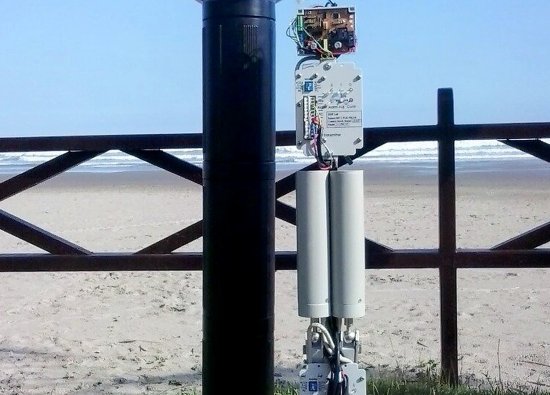
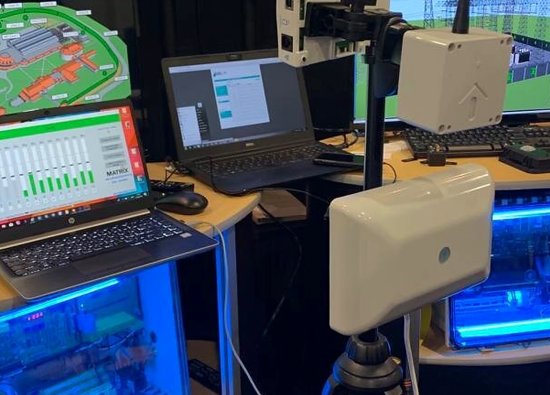
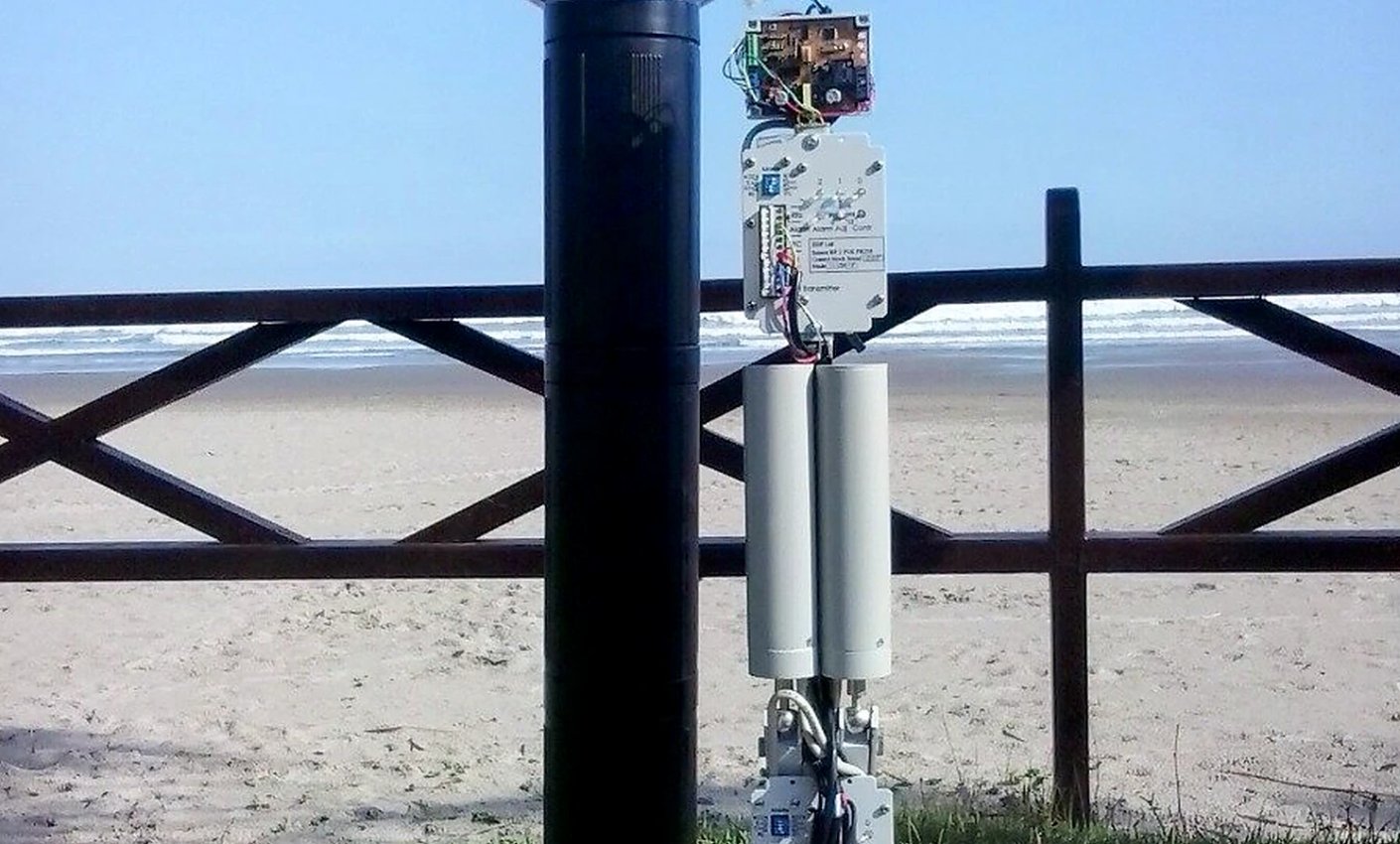
Microwave perimeter detectors are used to monitor a defined outdoor volume rather than a single visible line. The practical design work is to shape that zone around the protected approach while accounting for terrain, moving objects, traffic, fence movement, and nearby activity.
Quoted range alone does not establish a good layout. Device position, overlap, dead-space management, mounting height, sensitivity, and field testing determine whether the protected volume matches the site’s actual security objective.
Compare methods by site conditions
The best comparison is operational, not promotional. Each technology should be evaluated against the boundary geometry, nuisance sources, installation constraints, verification plan, and maintenance resources of the property.
| Method | Useful starting point | Survey focus |
|---|---|---|
| Infrared beam | Defined straight corridors and approaches | Alignment, obstructions, mounting stability, optical maintenance |
| Microwave | Open exterior volumes and approach zones | Terrain, moving objects, zone shape, overlap, nearby traffic |
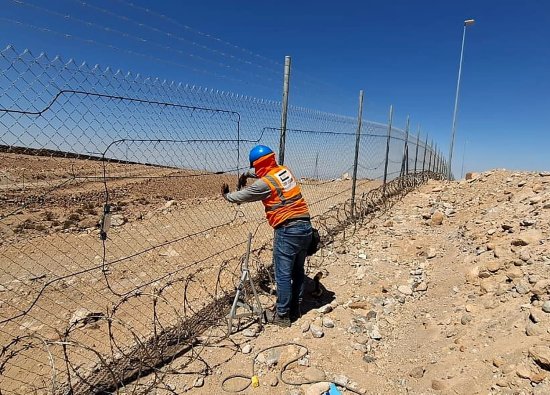
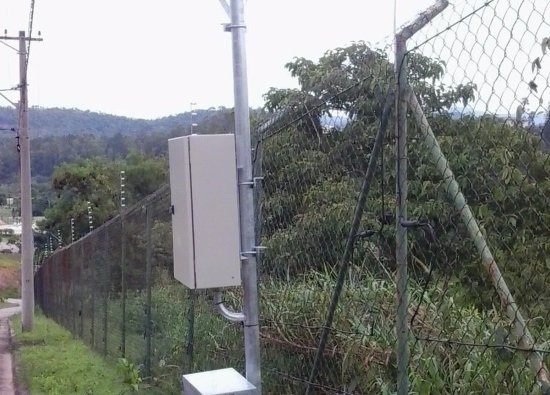
| Fence sensing | Climbing, cutting, or disturbance at a physical barrier | Fence type, condition, gates, wind movement, vegetation |
| Thermal detection | Detection and verification where visible light is limited | Scene geometry, heat contrast, mounting, analytics, camera role |
| Video analytics | Visual classification and event verification | Field of view, lighting, target size, occlusion, network and recording |


Design for Miami conditions
South Florida perimeter systems must be planned around heat, humidity, heavy rain, irrigation, rapid vegetation growth, wildlife, salt exposure near the coast, and severe-weather maintenance. No general technology label proves suitability for every Miami property.
Outdoor housings, mounts, cable paths, surge strategy, drainage, corrosion exposure, and service access should be reviewed together. Calibration should include normal site operations and should be revisited after landscaping, construction, impact, or storm damage changes the protected area.

Verify before escalating
Detection should lead to an understandable workflow. A zone can call the associated camera, mark video, notify an authorized user, activate approved lighting, or send an event to monitoring, but those actions must be tested as one chain.
- Boundary eventThe selected detector reports activity within its defined zone.
- System correlationThe platform associates the event with a location, schedule, and camera view.
- Human verificationAn operator or property representative reviews the available evidence.
- Site responseThe documented procedure determines notification, audio, lighting, guard, or emergency escalation.
Commission the whole system
Commissioning is more than confirming that a detector powers on. The installer should test representative points across every zone, verify alarm labels, check camera associations, confirm time synchronization, review notification permissions, and document the final operating settings.
Security Install US / System64 can also assess existing equipment for reuse, repair, or modernization. The decision should be based on current condition, supportability, compatibility, coverage gaps, and the owner’s response needs—not on replacement for its own sake.
Frequently asked questions
These answers provide a starting point for comparing outdoor detector technologies without assuming that one method fits every boundary.
Are infrared beams better than microwave sensors?
Neither is universally better. Beams and microwave detectors observe different zones and react to different conditions. A survey should compare the actual corridor, terrain, obstructions, traffic, and maintenance needs.
Can two perimeter technologies be used together?
Yes. Layering may improve coverage or verification when each device has a defined job. More sensors are not automatically better; overlap and response logic must be designed and tested.
Do outdoor sensors work during heavy rain?
Performance is technology-, product-, installation-, and site-dependent. Equipment suitability, drainage, mounting, calibration, and maintenance must be checked against the selected system and local exposure.
Can existing cameras provide perimeter detection?
Some camera systems support analytics, but usable detection depends on field of view, target size, lighting or thermal conditions, occlusion, configuration, and testing. Cameras may complement rather than replace dedicated sensors.
Compare technologies on the property—not from a product list
Security Install US can map the boundary, evaluate nuisance conditions, select practical detection methods, and integrate them into a verified Miami security workflow.

We design and install cameras, access control, intercoms, and gates for homes and businesses in Miami-Dade. This article comes from the same site surveys we run on driveways, restaurants, and offices — not from a generic kit list.
About the team