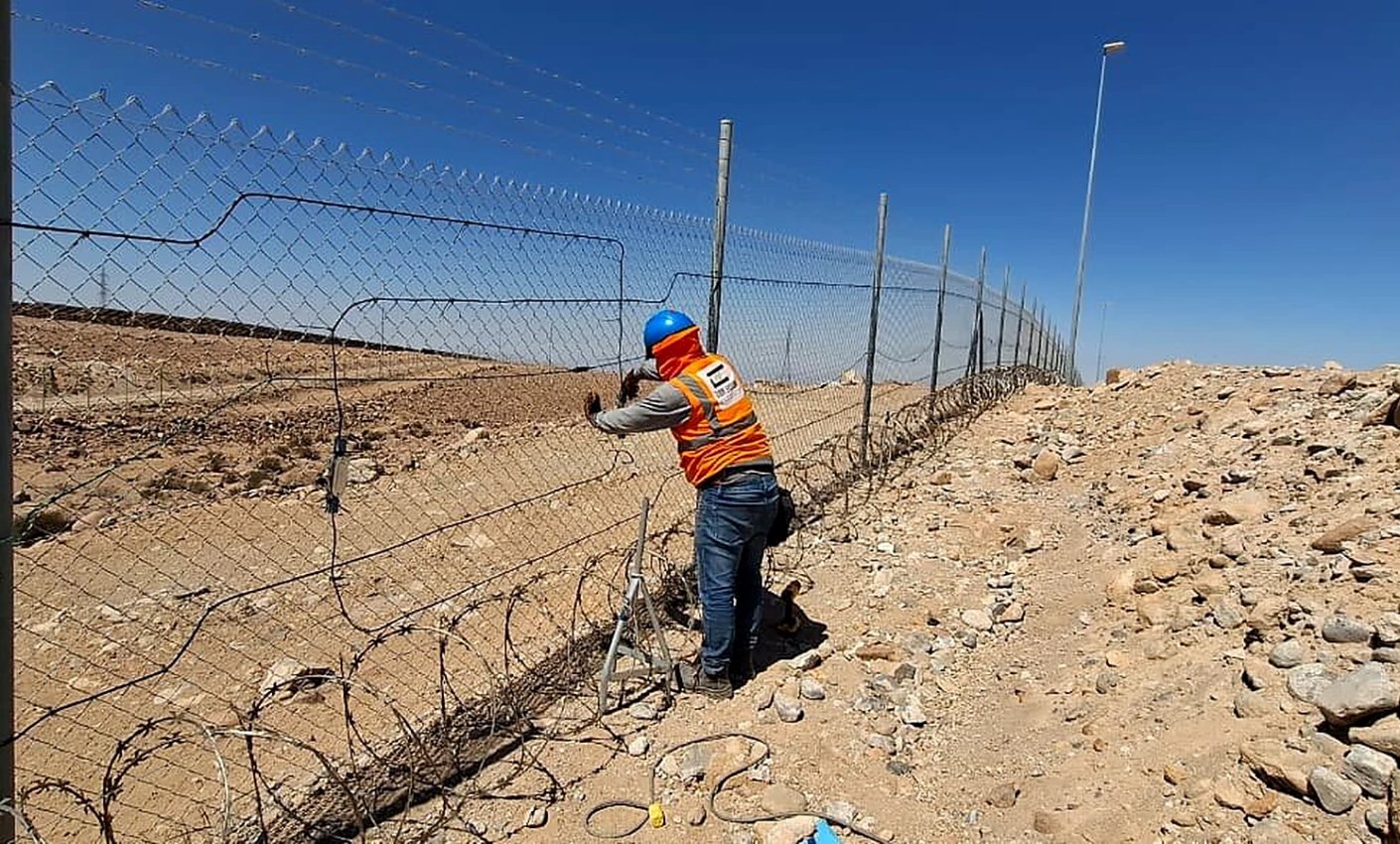
A fence defines a boundary, but it does not explain when someone is climbing, cutting, lifting, or disturbing it. A fence alarm system adds electronic detection so activity can be identified by zone and verified before the intruder reaches a building, vehicle, or outdoor asset.
Security Install US designs and installs perimeter alarm systems in Miami for commercial, residential, and managed properties. The contractor can incorporate technology from Security Sensor / Perimeter Control into a site-specific plan that includes zoning, cameras, alarm integration, commissioning, and service.
Turn the fence into a detection zone
A useful fence alarm identifies which section is being disturbed rather than issuing one vague perimeter signal. The property can be divided into practical zones around gates, corners, loading areas, side yards, equipment compounds, and other response points.
Zone length should reflect how the site will be investigated. A very large zone may reduce wiring complexity, but it can leave a guard or manager searching too much fence after an alarm. Smaller logical sectors can point the response toward the correct camera and physical location.
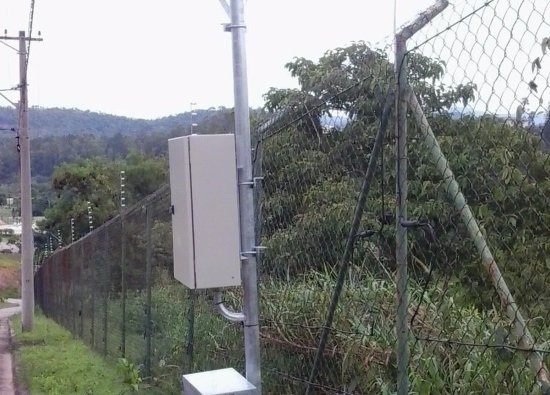
- Fence disturbance: sensing may be designed around vibration or movement produced by climbing, cutting, or force.
- Gate separation: vehicle and pedestrian gates need their own logic because normal operation differs from activity on a fixed fence panel.
- Camera association: each alarm zone should have a defined verification view whenever the site layout allows it.
- Response labels: names such as “West Yard Zone 2” are more useful than generic loop numbers.


Match detection to the fence
Chain-link, welded mesh, ornamental metal, and other fence types transmit movement differently. Condition matters as much as material: loose fabric, damaged ties, moving signs, and poorly secured panels can create background activity that must be corrected or considered during calibration.
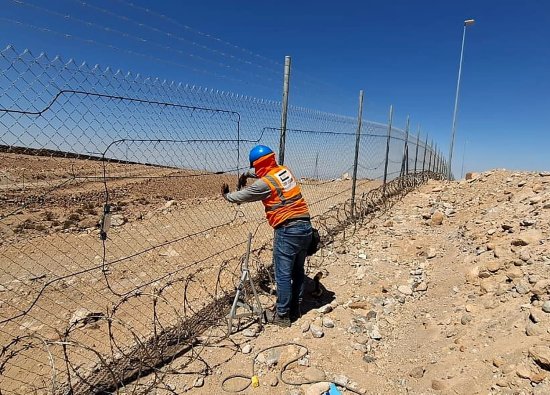
A site survey should document fence construction, height, posts, tension, corners, changes in material, vegetation contact, and any section shared with a neighboring property. Sensor selection and mounting should follow that survey instead of assuming every boundary behaves the same way.
Separate gates from fixed sections
Gates are active mechanical openings, so they should not be treated as ordinary fence. The design must distinguish authorized gate movement from activity on the nearby fence and coordinate the perimeter alarm with gate controls, access schedules, and door or gate position information.
- DetectA defined fence sector reports activity outside its normal calibrated pattern.
- LocateThe alarm platform identifies the affected zone and associated gate or boundary section.
- VerifyA camera or on-site responder checks whether the event is a person, maintenance activity, weather, or another cause.
- RespondThe property follows its documented notification, lighting, audio, guard, or monitoring procedure.
Control nuisance activity
No outdoor detector should be described as false-alarm-free. In South Florida, wind-driven vegetation, loose fence material, wildlife, maintenance work, traffic vibration, heavy rain, and storm damage can all influence the boundary environment.
Good performance begins with physical corrections and continues with zone-specific calibration. Commissioning should include normal gate cycles, fence testing at representative points, day and night camera checks, and a record of settings so later service does not begin from guesswork.

Connect alarms to video
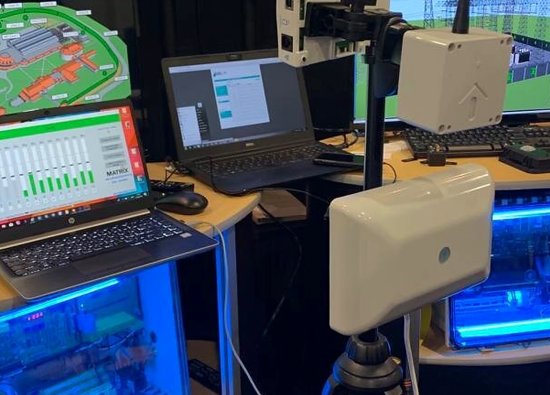
A fence alert becomes more actionable when the operator can open the correct camera instead of searching every view. Integration can associate a fence zone with one or more cameras, trigger recording markers, display a map location, or activate approved lighting and notification rules.
Camera placement still needs its own design. A wide overview may show direction of travel, while a narrower view near a gate or corridor may provide better identifying detail. Both should be tested after dark and under the lighting conditions the property actually uses.
Plan installation and service
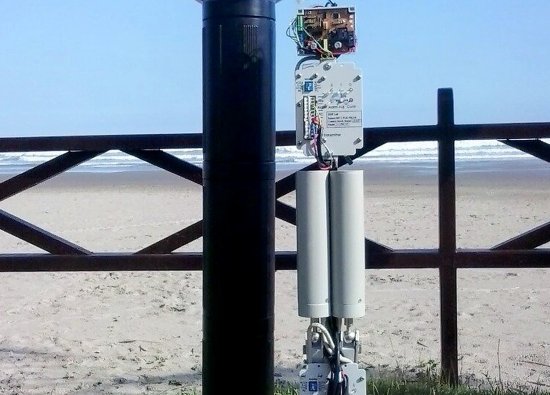
Security Install US / System64 serves as the field contractor, not an online equipment store. The work can include boundary assessment, design, cable and enclosure planning, installation, programming, integration, acceptance testing, operator training, repair, and modernization of an existing perimeter system.
Ongoing service should include inspection after fence repairs, landscaping changes, vehicle impact, construction, and severe weather. Any change to the physical barrier can change how a fence-mounted detector behaves.
Frequently asked questions
These answers cover the practical questions Miami property owners ask before adding detection to an existing fence.
Can a fence alarm be added to an existing fence?
Often, yes, but the fence must first be inspected for material, condition, movement, gates, vegetation contact, and suitable mounting and cable routes. Repairs may be recommended before electronic detection is calibrated.
Will a fence sensor identify the exact point of contact?
The available location detail depends on the chosen technology and zone design. At minimum, the system should use zone names that direct the responder to a manageable section of the boundary.
Does a fence alarm replace security cameras?
No. Detection and video solve different problems. The sensor reports activity, while correctly positioned cameras help verify what occurred and support an appropriate response.
How often should the system be tested?
Test intervals should follow the system design, manufacturer guidance, site risk, and maintenance plan. Additional testing is appropriate after fence work, landscaping changes, impact, or severe weather.
Make the existing boundary part of the security plan
Security Install US can survey the fence, define useful zones, integrate video verification, and prepare a serviceable installation for a Miami-area property.

We design and install cameras, access control, intercoms, and gates for homes and businesses in Miami-Dade. This article comes from the same site surveys we run on driveways, restaurants, and offices — not from a generic kit list.
About the team