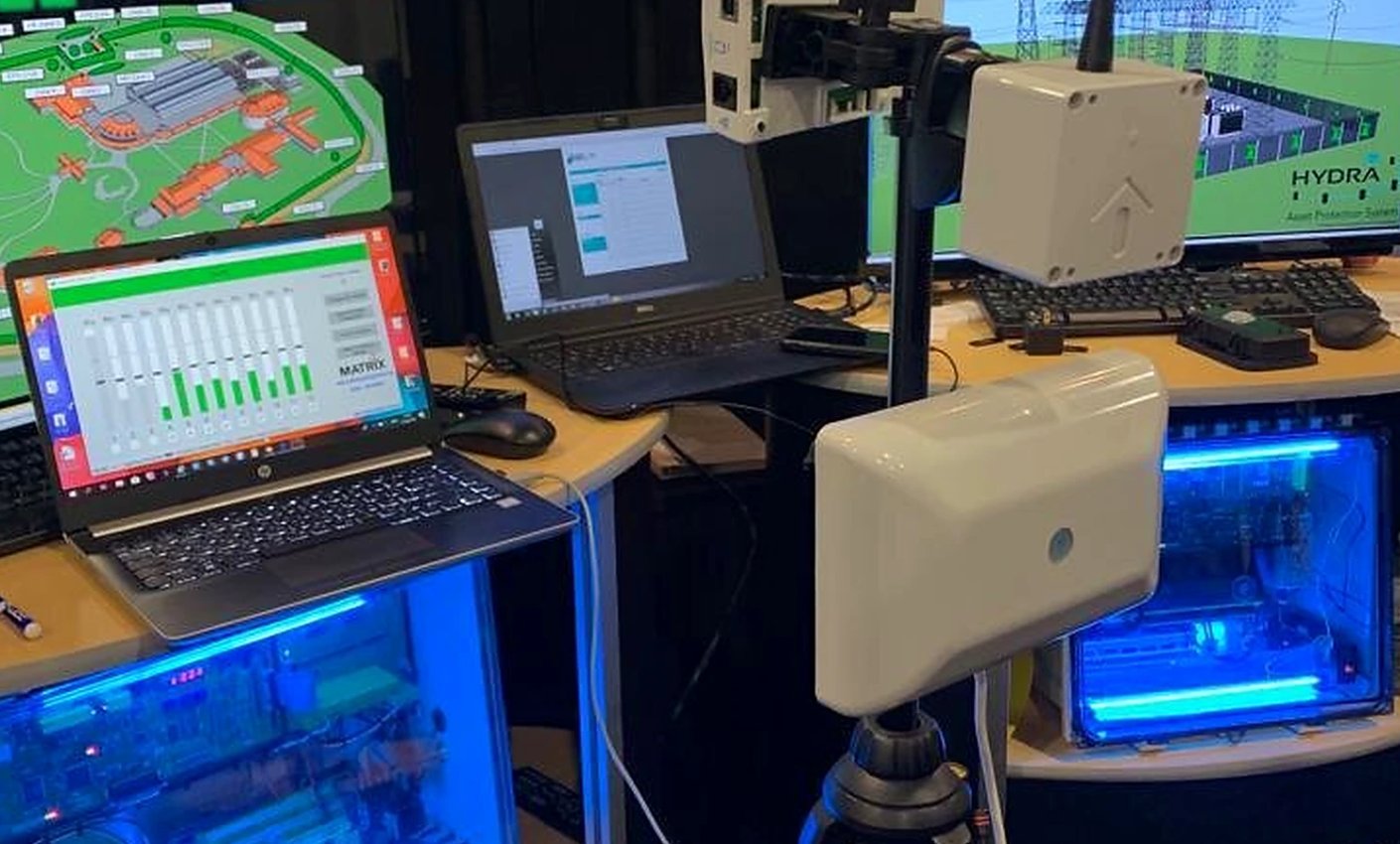
Commercial perimeter security should create useful warning before unauthorized activity reaches a warehouse, storage yard, equipment compound, utility area, parking facility, or controlled building. That requires more than selecting an outdoor sensor: the boundary, gates, daily operations, cameras, communications, and response team must work as one system.
Security Install US / System64 provides commercial perimeter alarm design and installation in Miami. Projects can incorporate appropriate detection products from Security Sensor / Perimeter Control while Security Install US remains responsible for the field survey, integration, commissioning, modernization, and service scope.
Define the commercial risk
The first step is to identify what the perimeter protects and what early warning is expected to accomplish. Exterior inventory, fleet vehicles, rooftop or ground equipment, loading operations, utility assets, and staff parking create different priorities and response windows.
Review incident history, operating hours, public access, neighboring activity, delivery schedules, guard coverage, and the time required for an authorized person to verify an event. A system should be designed around those facts instead of a generic camera or sensor count.
Divide the site into sectors
Logical sectors make alarms understandable. Fence runs, vehicle gates, pedestrian entries, loading yards, service alleys, open approaches, and equipment zones should be labeled according to the language employees and responders already use.
Sector design also determines camera association, cable topology, maintenance isolation, and escalation rules. A long boundary may need several detection zones so one fault or service visit does not leave the entire perimeter ambiguous.

Layer detection around operations
A busy commercial property may combine fence disturbance detection, beams at controlled corridors, volumetric outdoor sensors, thermal or visible cameras, gate status, and access events. Each layer should have a defined purpose and should avoid treating authorized daily activity as an intrusion.
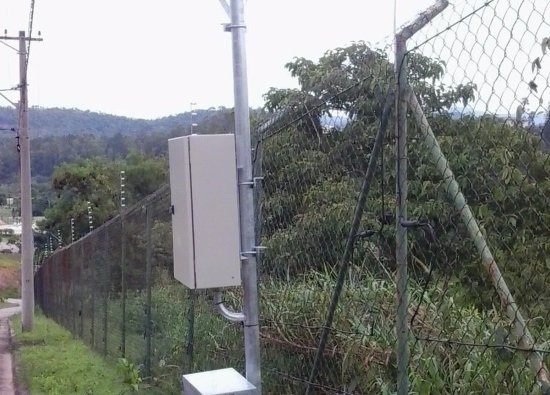
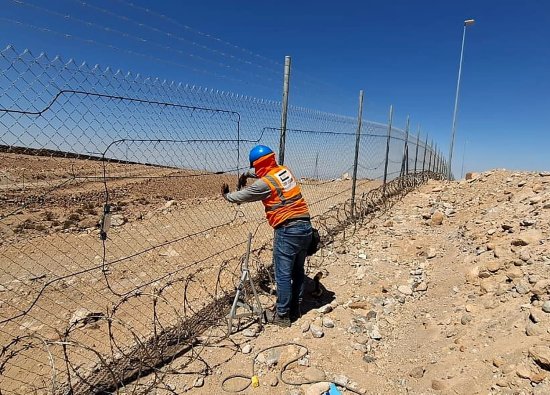
Fence, loading gate, and exterior inventory
Separate the fixed boundary from delivery openings and associate each after-hours zone with practical camera verification.
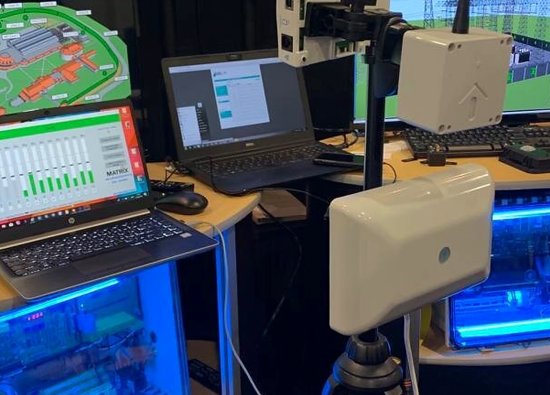
Restricted approaches and equipment areas
Use clear sectors, controlled schedules, protected communications, and documented escalation for areas that require earlier warning.


Plan power and communications
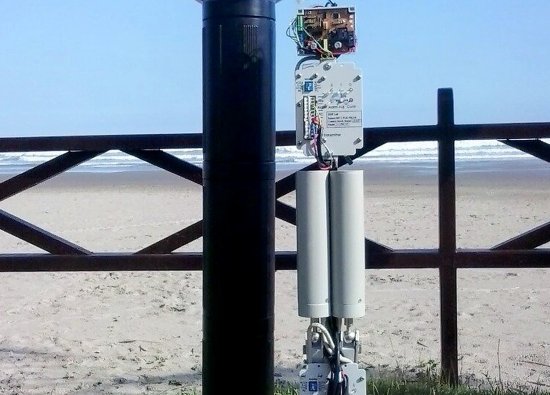
Outdoor devices depend on cable routes, network paths, enclosures, power supplies, surge strategy, and environmental protection that can be maintained safely. Wireless communication may be appropriate in some locations, but link quality, interference, power, supervision, and recovery behavior must be verified.
Backup planning should identify the complete alarm and verification chain. Keeping one panel or recorder powered does not help if field devices, network switches, routers, or communication paths fail at the same time.

Integrate the response team
A commercial alarm is only useful when the right person receives enough information to act. The response plan should define who verifies events, which cameras or map views appear, when a guard or manager is contacted, and when emergency escalation is appropriate.
- AlarmA named commercial perimeter sector reports activity or a supervised fault.
- VerificationAn authorized operator reviews associated video, access events, and the site schedule.
- CommunicationThe event is routed according to the approved after-hours contact and escalation plan.
- DocumentationVideo, alarm history, response notes, and service findings remain available for review.
Commission under real conditions
Acceptance testing should represent the events the system is intended to detect and the ordinary activity it should tolerate. Test fixed fence sections, gate cycles, approach zones, camera call-up, notifications, communication loss, supervised faults, and user permissions.
Daylight testing alone is incomplete. Night lighting, reflections, headlamps, rain, irrigation, vegetation, and after-hours traffic may change the verification scene and detector background. Results and final settings should be documented for the owner and future service team.
Maintain and modernize the system
Commercial perimeters change as tenants, fences, landscaping, loading patterns, parking, construction, and risk priorities change. Preventive service should inspect physical condition, test representative zones, review faults, verify camera alignment, and confirm that contact lists and user access are current.
An existing installation may be repaired or upgraded in phases when compatible infrastructure remains serviceable. Security Install US can assess field devices, cable and power, panels, networks, cameras, software support, and operational gaps before recommending reuse or replacement.
Frequently asked questions
These answers summarize the planning decisions behind a commercial perimeter security installation in the Miami area.
What types of commercial properties use perimeter alarms?
Applications include warehouses, storage yards, equipment compounds, parking facilities, managed properties, utilities, and other sites with defined exterior risks. The design must follow the property’s actual boundary and operations.
Can a perimeter system remain active while the business is open?
Yes, selected sectors may operate on schedules or according to access and gate activity when the platform supports that logic. The workflow must be designed so normal deliveries, employees, and maintenance do not create confusing responses.
Can an existing commercial alarm or camera system be integrated?
Possibly. Compatibility, support status, available inputs and outputs, network design, camera coverage, timestamps, and cybersecurity or account controls should be assessed before promising reuse.
Does the system need preventive maintenance?
Yes. Outdoor devices, fences, mounts, vegetation, enclosures, power, communications, cameras, users, and response contacts can all change. Service frequency should reflect equipment guidance, exposure, risk, and operating history.
Plan the boundary, verification, and response as one project
Security Install US / System64 can survey, design, install, integrate, test, repair, and modernize perimeter protection for Miami-area commercial properties.

We design and install cameras, access control, intercoms, and gates for homes and businesses in Miami-Dade. This article comes from the same site surveys we run on driveways, restaurants, and offices — not from a generic kit list.
About the team