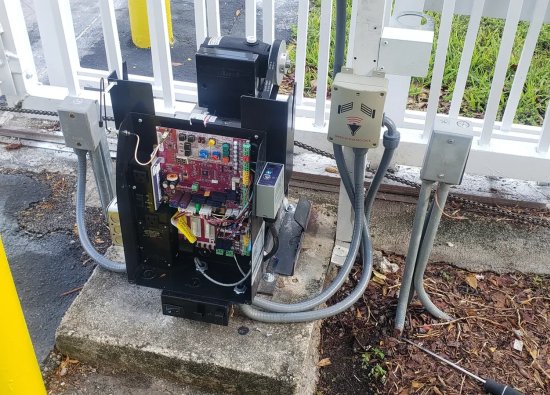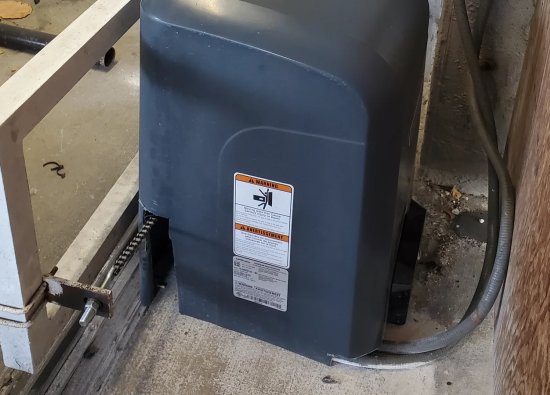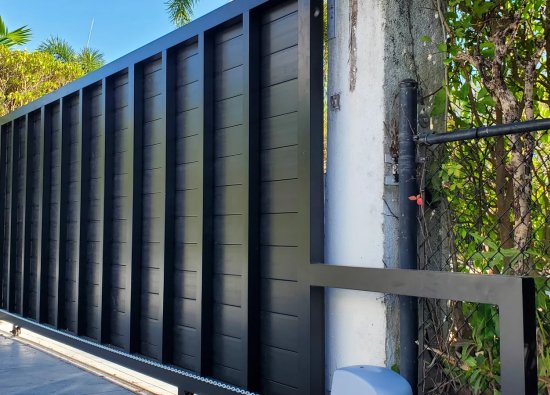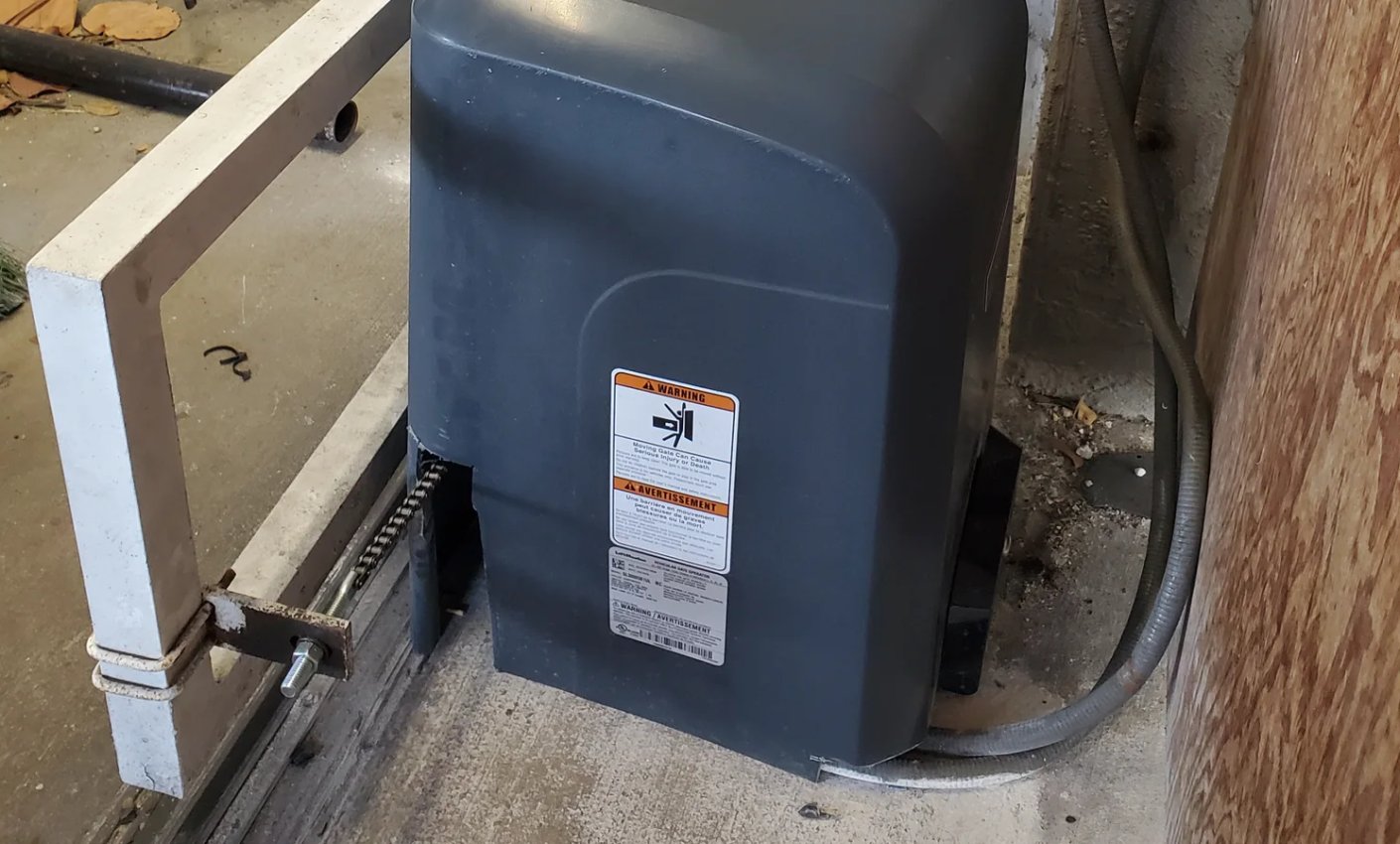
A condominium gate that stops, reverses, or works only after another reset can disrupt residents and visitors. Replacing the motor first may leave the actual problem in the gate hardware, safety devices, power supply, or access-control sequence.
This Miami condo gate repair guide explains what property managers can document before a service visit and what a technician should test. It is a diagnostic plan, not instructions to bypass a safety device or operate a damaged gate.
Record the failure pattern
Start with the circumstances of each failure: which entrance, direction of travel, time, credential or intercom command, and weather or power event. A short log can distinguish a recurring symptom from a one-time obstruction.
Ask staff to note whether the gate stops at the same point, reverses during closing, ignores a valid command, or moves slowly. Keep users away from a damaged or unpredictable gate and arrange an approved alternate entry procedure; do not repeatedly force it to run for a diagnosis.
Inspect the moving gate first
The operator cannot compensate for a gate that binds, drags, sags, or leaves its intended travel path. A qualified technician should assess the gate structure, guides, rollers, hinges or track, rack or chain, and physical stops before changing motor settings.
For a busy condo entrance, also inspect wear and drainage along the travel path, loose mounting, and corrosion at exposed hardware. The work scope should identify mechanical repair separately from electrical or control-board work so the right trade handles each part.

Keep safety protection in the test
A gate that reverses may be responding to an obstruction or a safety input rather than a failed motor. A technician should inspect monitored photoelectric devices, edges, guarding, and the operator's fault history as one safety system.
Never defeat a sensor to keep traffic moving. DASMA's gate-opener safety guidance stresses staying clear of moving gates, following the manufacturer's instructions, and periodically testing safety features. Any return-to-service test should include the required protective devices and the site's approved pedestrian and vehicle routes.
Trace power and access commands
When a gate fails intermittently, separate the motor's movement from the command that requested it. Check the intended sequence among the reader, intercom, vehicle detector, access controller, gate operator, and any network-dependent management functions.
The electrician or gate technician may need to inspect supply voltage, wiring condition, enclosures, backup behavior, and logged faults under normal load. Document whether a resident credential, guest call, remote release, or exit detection triggers the symptom; never treat every missed open command as an operator failure. For a broader vehicle-entry design, see our gate access-control planning guide.
Repair or replace the failed part
Replacement is a decision after diagnosis, not a shortcut around it. A sound gate may need a repair to hardware, sensors, wiring, control inputs, or the operator; a damaged gate structure or unsupported operator may require a larger retrofit.
Ask for a written scope that states what can remain, what needs replacement, how traffic will be handled during work, and how safety and access functions will be retested. For new installations and operator selection, our sliding-gate operator guide covers the design questions separately from this repair workflow.


Verify the return to service
A repaired gate should be observed through repeated authorized cycles, including ordinary resident and visitor commands. Record limit behavior, safety-device responses, gate position, exit detection, manual-release procedure, and any remaining faults before handing the entrance back to management.
Leave the property with the documented repair, operator settings where appropriate, staff instructions, and a maintenance schedule based on the installed equipment and usage. Security Install US / System64 can survey, troubleshoot, repair, and maintain automatic gates in the Miami area; the exact scope follows the site inspection.
Frequently asked questions
These answers help boards and managers prepare for a safe, useful service visit rather than guessing at parts.
Why does our gate work after a reset and then fail again?
A reset may clear a symptom without correcting its cause. A technician should review fault history, gate movement, safety inputs, power, and the commands that preceded each failure before replacing components.
Does a gate that reverses always need a new motor?
No. A reversal can be related to an obstruction, mechanical resistance, or a safety-device input. The operator and protective devices need a site-specific inspection; do not bypass a sensor to keep the gate moving.
Can we keep using the gate while it is being repaired?
That depends on the condition of the gate and the property's approved access plan. If movement is unpredictable or a safety device is impaired, management should restrict use and arrange a safe alternate entry with the service team.
What should a condominium manager send before the visit?
Provide the entrance location, symptoms and timestamps, photos taken from a safe position, operator details if known, recent repair history, and a contact who can authorize testing and coordinate resident access.
Find the fault before replacing the whole gate
Tell us what the entrance is doing and when it fails. System64 can inspect the gate, operator, safety devices, and access commands, then propose a repair and verification plan for your property.

We design and install cameras, access control, intercoms, and gates for homes and businesses in Miami-Dade. This article comes from the same site surveys we run on driveways, restaurants, and offices — not from a generic kit list.
About the team