A commercial vehicle entrance must admit authorized drivers without turning the driveway into a security gap or traffic bottleneck. The gate, barrier, credential method, safety detection, intercom, network, and response procedure all need to support the same operating workflow.
Security Install US / System64 designs, installs, integrates, repairs, and modernizes automatic gates and vehicle access systems in Miami. The company is a field contractor, not an online equipment store, so recommendations begin with the property’s lanes, users, staffing, traffic, and service requirements.
Map every vehicle workflow
Design starts by documenting who enters, when they arrive, how they are authorized, and what happens when verification fails. Residents, employees, vendors, deliveries, visitors, contractors, and emergency responders may require different credentials and escalation paths.
Lane width, stacking distance, turn radius, tailgating risk, guard visibility, pedestrian crossings, and the route back to a public road should be measured. A fast device cannot correct a driveway that lacks room for safe decisions and queues.
Choose the correct gate type
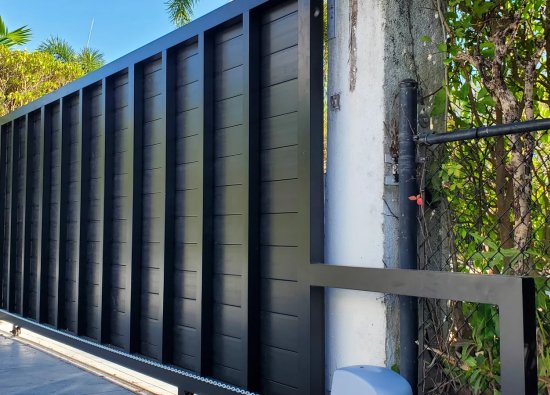
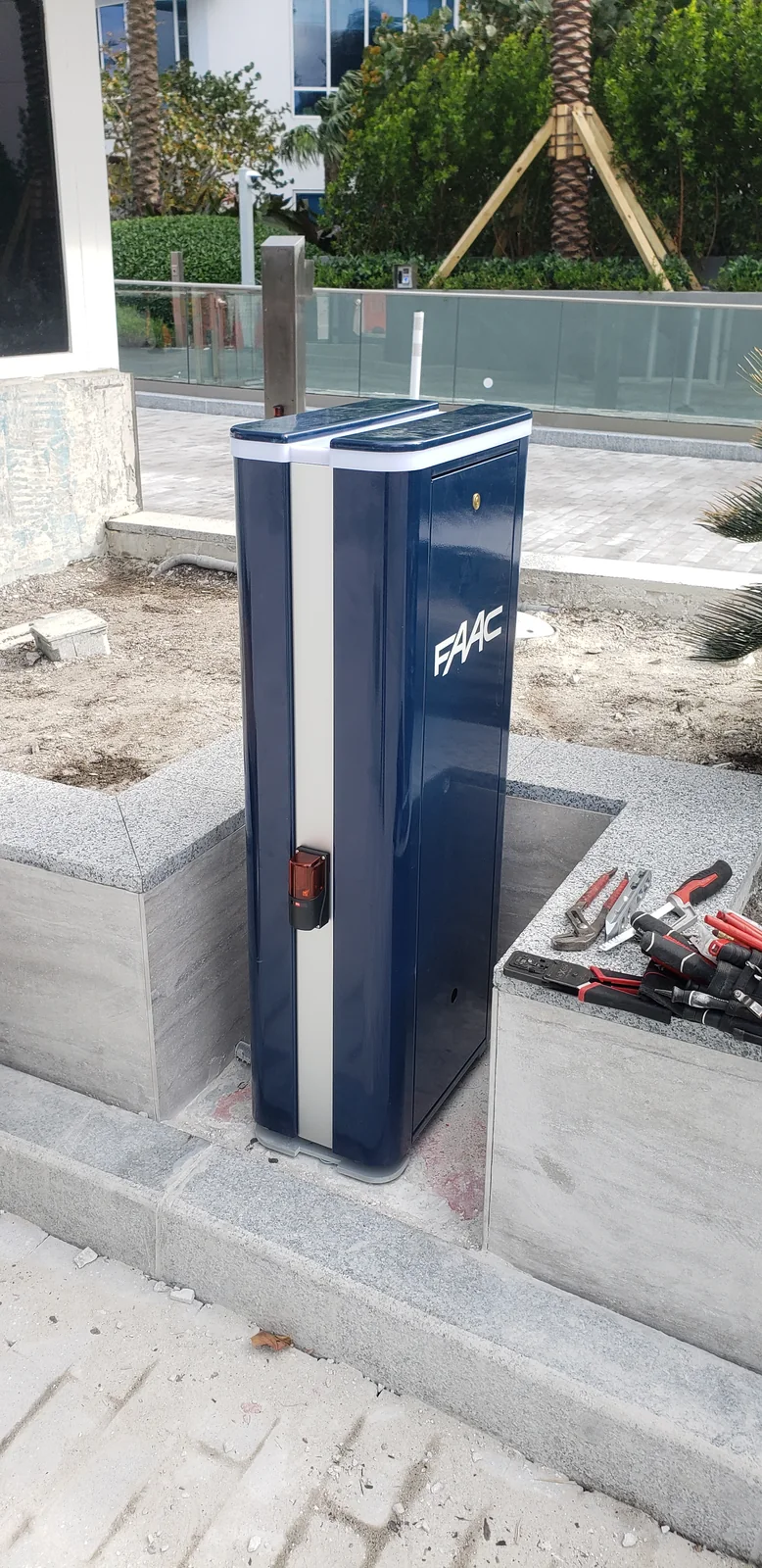
Barrier arms manage vehicle flow quickly but do not create a full-height perimeter barrier. Sliding or swing gates provide a stronger physical boundary but typically require more movement area, safety planning, and cycle time.
Some properties use both: a barrier for routine traffic control and a perimeter gate for after-hours closure. The operating sequence must prevent conflicting commands and should define how each lane behaves during outages, emergencies, maintenance, and scheduled unlock periods.
Select credentials by user group
Credentials may include cards, mobile credentials, vehicle tags, keypads, staffed release, telephone entry, or approved remote workflows. Selection should consider throughput, identity assurance, revocation, visitor handling, audit needs, and the ability of property staff to administer the system consistently.
- Employees or residents: named credentials support controlled activation and prompt removal when access changes.
- Visitors: an intercom or managed invitation process gives staff a defined verification step.
- Vendors: scheduled or limited credentials reduce dependence on permanent shared codes.
- Emergency access: the approved method should be coordinated, documented, and tested.
Coordinate safety and traffic detection
Vehicle presence loops, photoelectric sensors, monitored edges, gate position, warning devices, and lane controls may perform different jobs. The design should distinguish a request to enter from a vehicle occupying a hazardous area or a pedestrian crossing the moving path.
Testing must represent real traffic: short and long vehicles, close-following cars, stopping under the arm or gate, reversing, visitor delays, and simultaneous commands. Staff should understand that safety detection does not replace safe driving, lane markings, signs, or operating procedures.
Integrate intercoms and access records
Gate events become more useful when credential activity, intercom calls, camera views, and gate status share accurate names and synchronized time. An authorized manager should be able to understand which lane received a command and whether the gate completed the expected movement.
Remote administration should use named accounts and appropriate permissions. Shared administrator passwords, unmanaged permanent codes, and undocumented release methods make troubleshooting and access reviews harder, especially when staff or vendors change.
Plan service before an outage
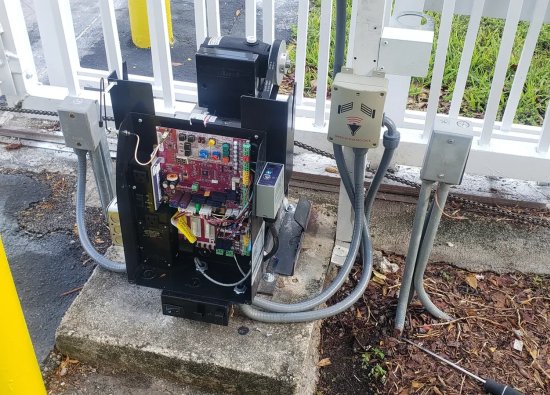
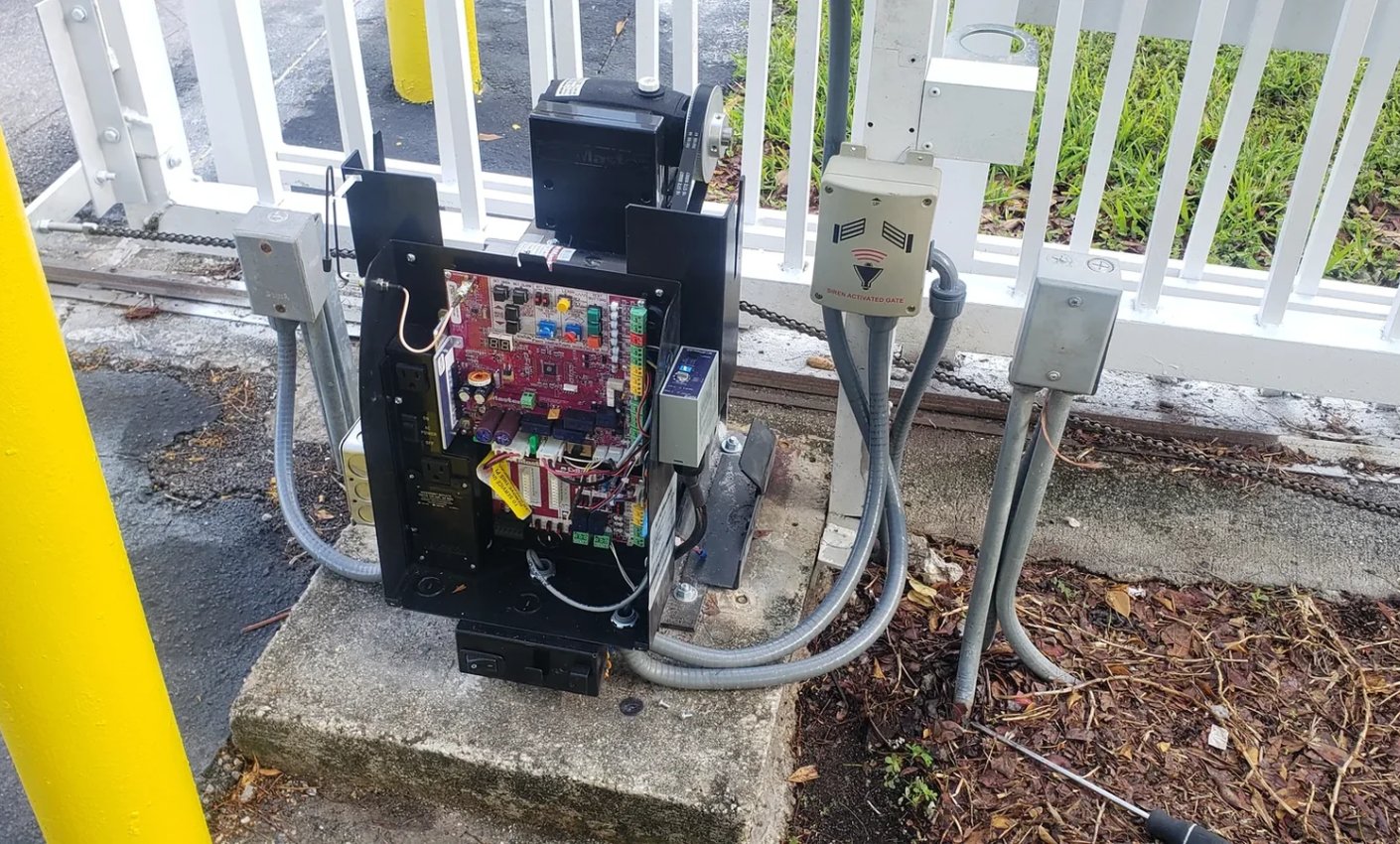
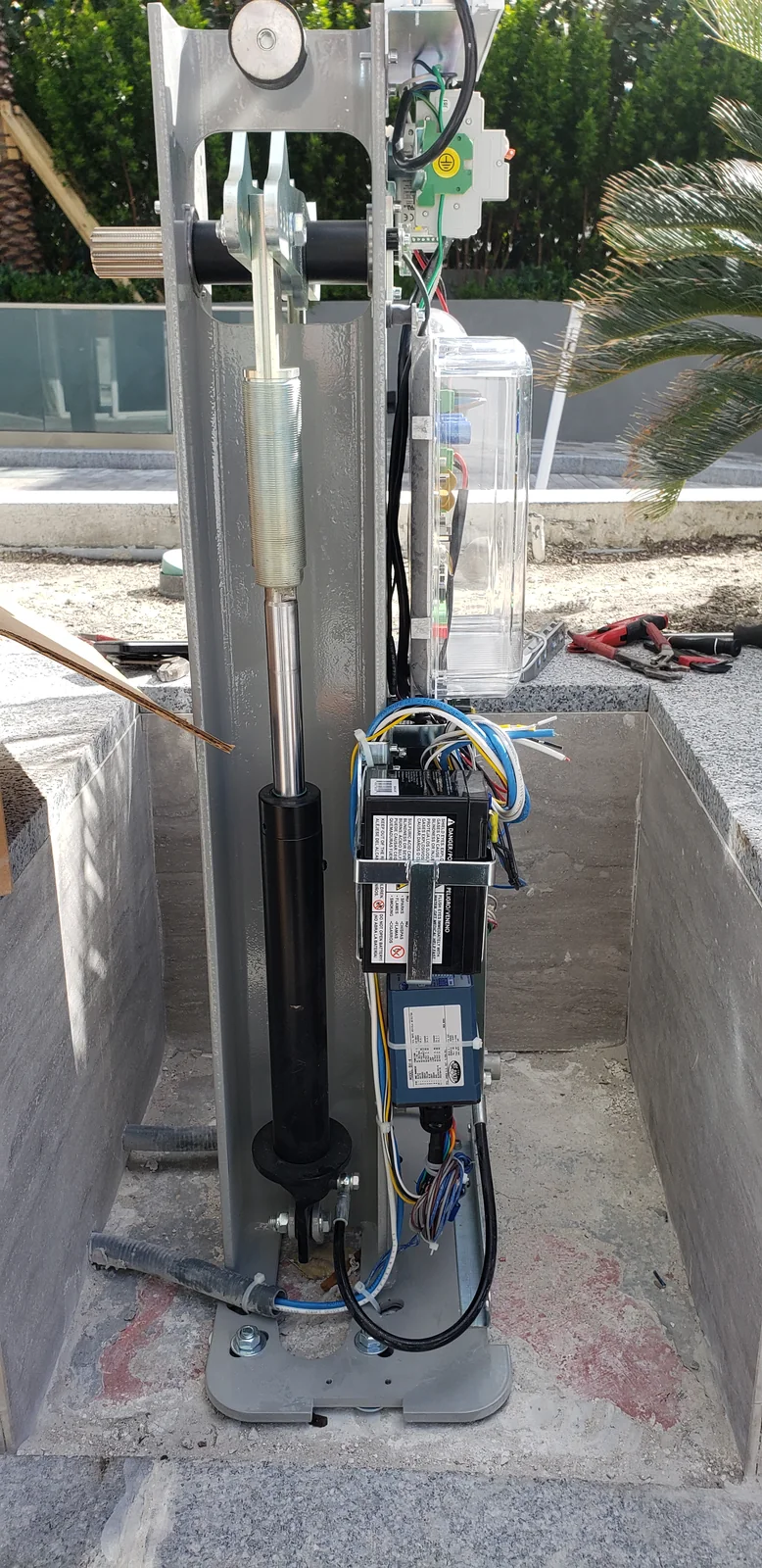
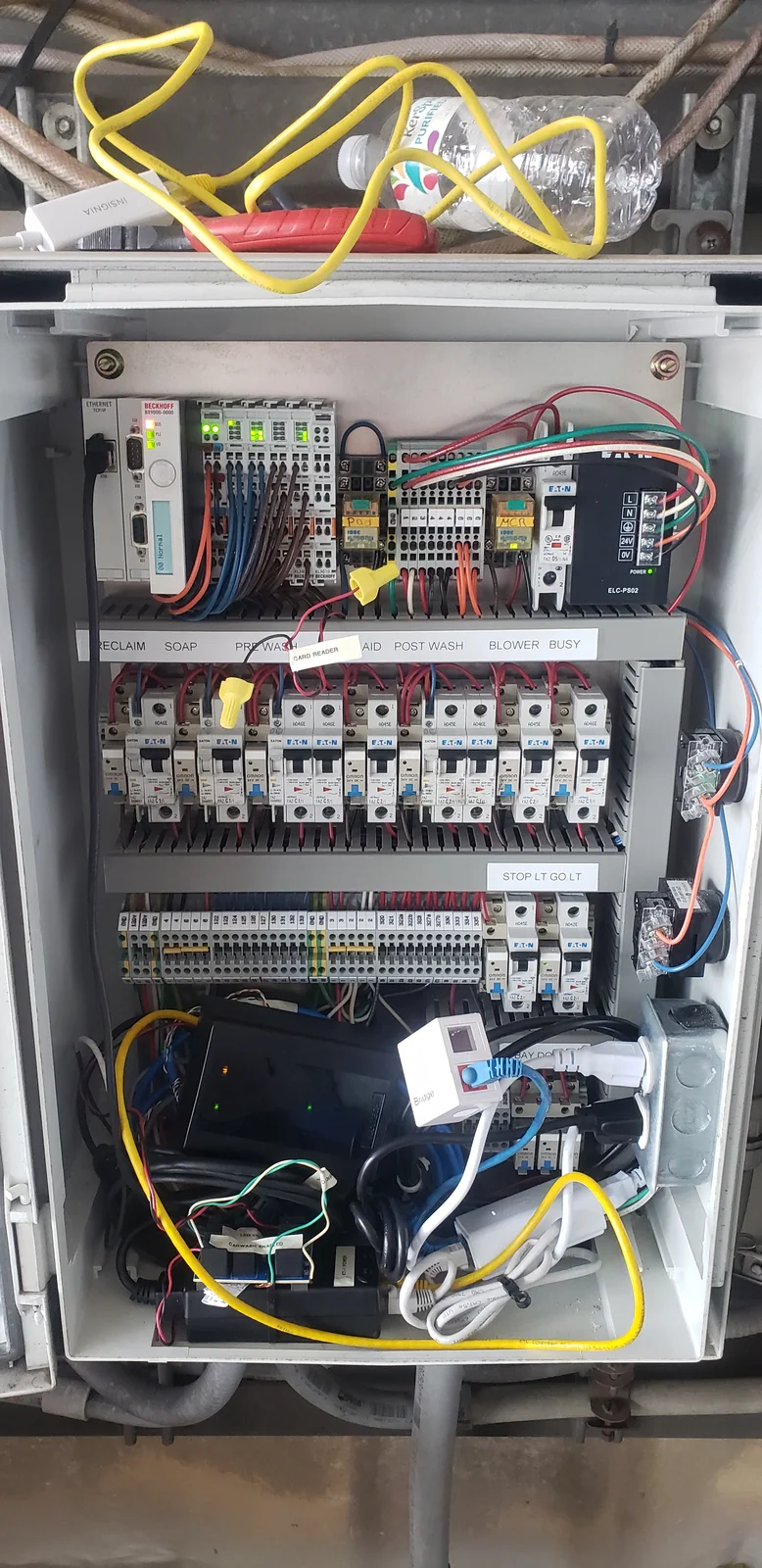
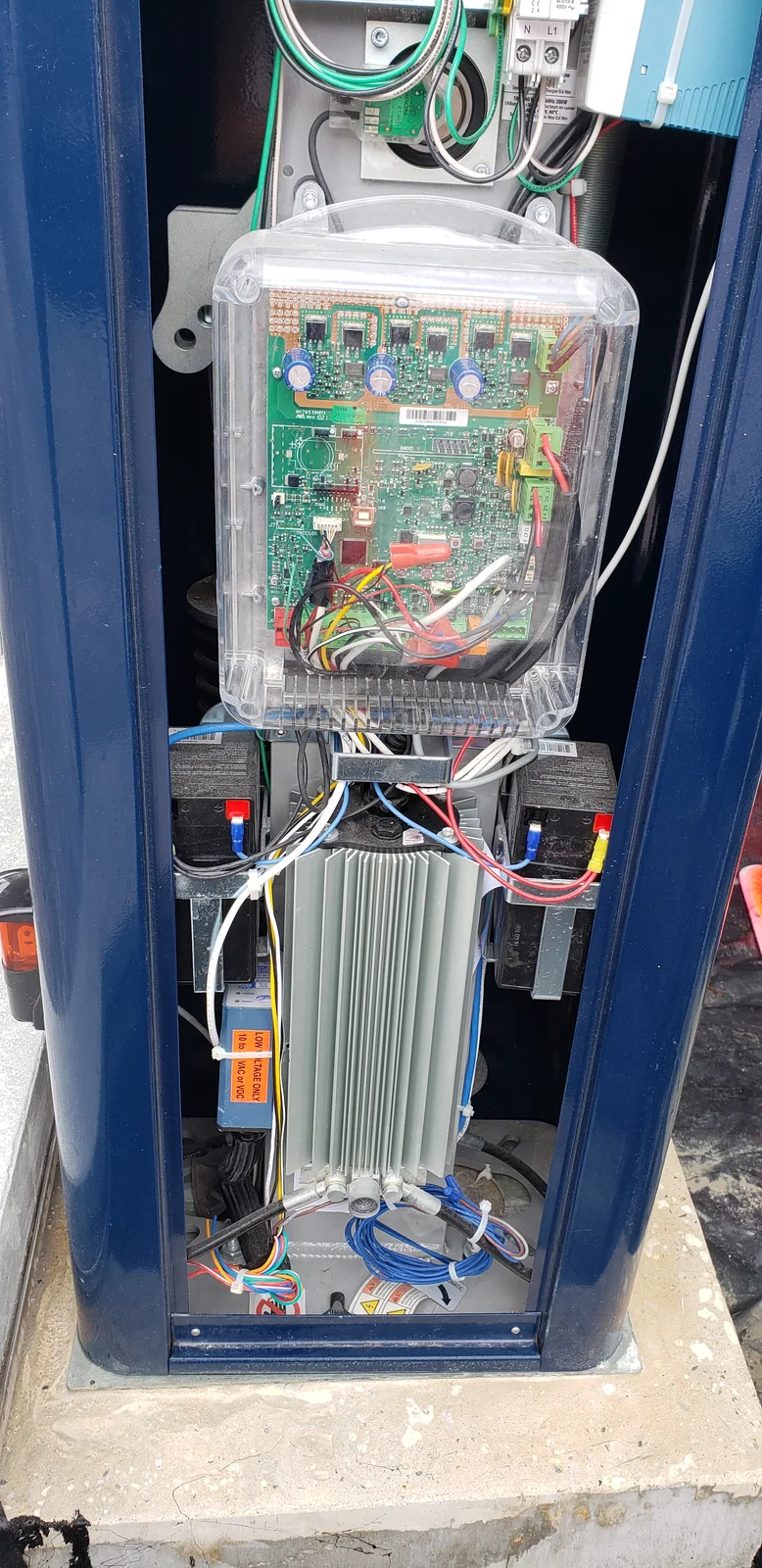
Commercial entrances are operational infrastructure. Preventive maintenance should inspect operators, barrier arms or gate hardware, safety devices, foundations, conduits, enclosures, surge protection, backup power, credential readers, intercoms, cameras, and error logs.
A modernization project does not always require replacing every component. Security Install US can assess which gates, loops, readers, cabling, power equipment, and network paths remain serviceable, then phase upgrades around traffic needs and approved downtime.
Frequently asked questions
These answers summarize common decisions for commercial vehicle gate access control in the Miami area.
Is a barrier arm the same as a security gate?
No. A barrier arm is primarily a vehicle traffic-control device and does not form a full-height perimeter barrier. The site may need a sliding or swing gate, or a coordinated combination, depending on risk and operating hours.
Can gate access use the same credentials as building doors?
Often it can when the access platform, readers, credential technology, and licensing support the design. Vehicle workflows and safety logic still require separate planning and testing.
Can visitors open the gate through an intercom?
Yes, when an authorized answering workflow and controlled release are configured. The design should define who answers, what camera view is available, how calls are logged, and what happens after hours.
Can an older commercial gate system be upgraded?
Possibly. The contractor should evaluate the mechanical gate, operator, safety devices, controls, power, cabling, credentials, network, and support status before deciding what can be reused.
Build a gate workflow that supports security and daily traffic
Security Install US / System64 can survey, install, integrate, repair, and modernize commercial gate access control for Miami-area properties.

We design and install cameras, access control, intercoms, and gates for homes and businesses in Miami-Dade. This article comes from the same site surveys we run on driveways, restaurants, and offices — not from a generic kit list.
About the team