A condo door can beep green and still leave the board with an unanswered question: who is authorized to use it today? A resident move, a vendor change, or a new management company can change the people responsible for access long before anyone replaces a reader.
This is a decision brief for Miami condominium boards and managers. It separates the credential roster from the hardware, shows the questions to bring to a site review, and avoids assuming that every working fob should keep working.
The question behind a working reader
Readers and locks answer whether a presented credential is accepted; they do not decide who ought to hold it. That decision belongs to the property, with a named administrator and a documented way to approve changes.
Start by identifying who can create, suspend, and remove credentials in the current platform. If the property cannot identify an authorized owner, a replacement device alone will not solve its access-management problem. Keep full user rosters and event records within the property's approved private workflow, not in public project material.
Three groups, three decisions
Residents, staff, and vendors do not need identical permissions or the same end date. A review should focus on the decision for each group rather than simply counting active cards.
| Group | Question | Review action |
|---|---|---|
| Residents | Is the credential tied to a current unit and an approved entrance? | Confirm move-in and move-out ownership with management; deactivate replaced or lost credentials. |
| Staff | Do current duties still require the same doors and hours? | Review role-based permissions and the handoff when employment or assignments change. |
| Vendors | Who approved this access, and when should it end? | Identify the property contact, scope, and expiry or reapproval process for each recurring vendor. |
This is an operating checklist, not a claim that a particular condo has stale credentials. CISA's facility access-control guide discusses prompt updates when access is removed; it is guidance for federal facilities, not a Florida condo rule.
One building, different entrances
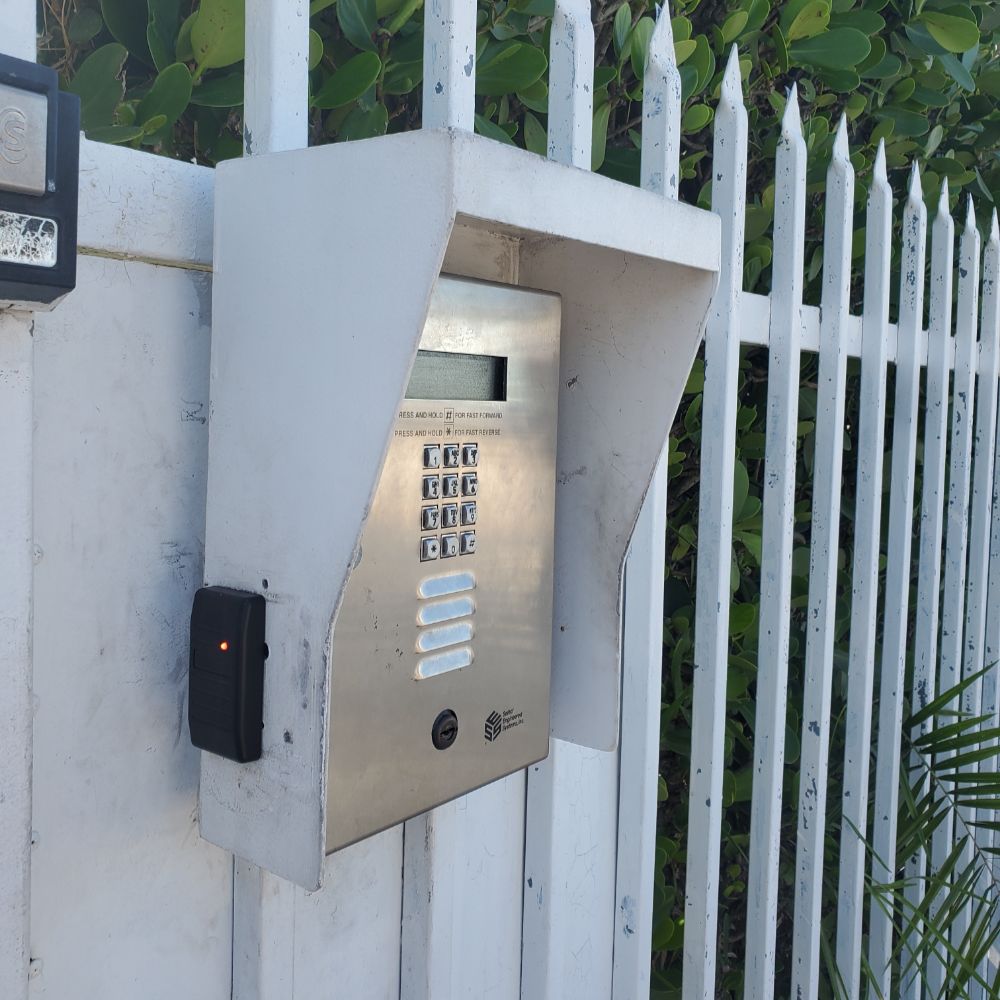
The same resident may encounter a lobby reader, garage gate, service door, elevator, and visitor intercom. A useful review distinguishes each workflow instead of treating every opening as one permission.
Ask whether a credential accepted at one entrance should also work at another, who grants temporary access, and how guests are admitted when the intercom is not answered. Management should approve the policy before a technician changes settings or adds an integration. Where a gate is involved, its safety controls and vehicle workflow remain separate from credential permissions.
The handoff that gets overlooked
A management transition can leave several organizations with partial knowledge: the board owns policy, a manager handles requests, and an installer may hold technical administration. The property needs to know who can make changes now, not just who installed the equipment years ago.
The three-name handoff
Before changing permissions, put three responsibilities on one private handoff sheet:
- Policy owner: the person designated by the property to approve access changes.
- System administrator: the authorized person who applies and records those changes, including removals.
- Urgent contact: the named backup for lost credentials or a departure when the primary manager is unavailable.
Keep recovery procedures and credential details in the property's secure files, not a public case study or broadly shared packet. CISA's federal guidance underscores telling the responsible access team when an authorization ends; the condo's own policy defines how that handoff works.
When equipment is the problem
An out-of-date credential list and a failing reader are different faults. During the walkthrough, technicians can test the reader, strike or lock, controller, network path, and approved power behavior without deciding access policy on the board's behalf.
Older components may still be serviceable, or they may lack the functions required by an agreed workflow. A survey should distinguish reusable hardware from a necessary retrofit and document any migration so authorized residents retain the access they need. For the hardware side, see our access-control retrofit guide.
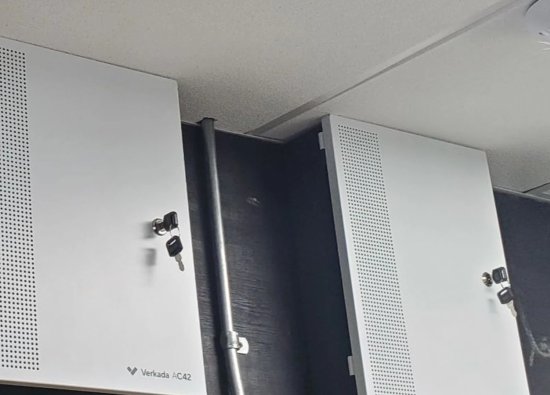
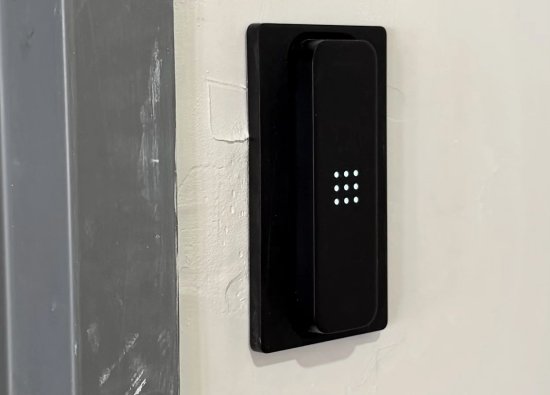
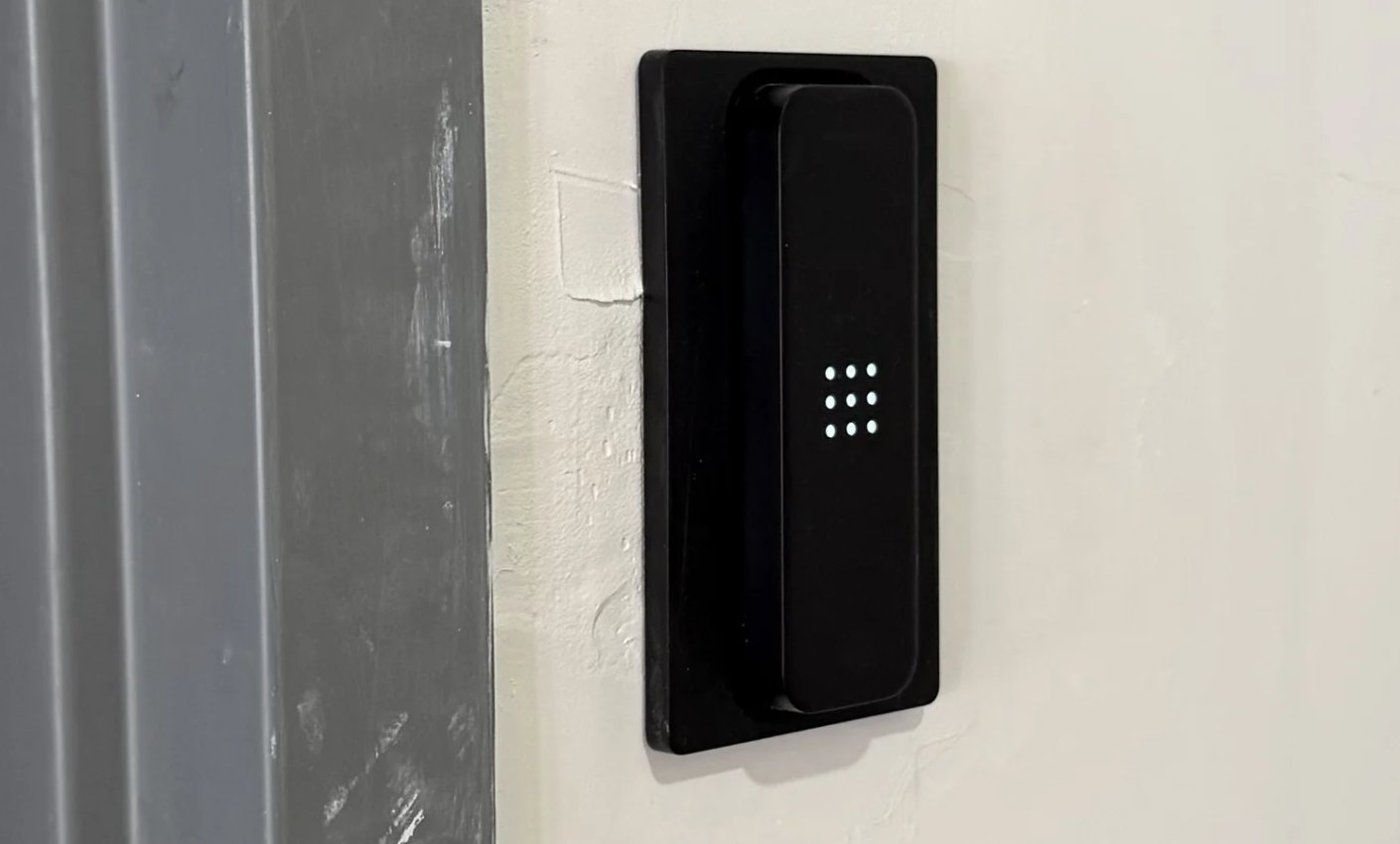
The field images below come from different installations and show hardware types, not one building's credential list or a completed audit.


What the board should receive
A useful outcome is a private, actionable access plan rather than a new box on the wall. It should identify the policy owner, user groups, affected entrances, change-approval process, testing scope, and any hardware gaps.
Ask the contractor to demonstrate an approved credential addition and removal, test the agreed entrances with management, and hand over service documentation without exposing sensitive records publicly. Security Install US / System64 can inspect and service Miami access control systems, including readers, controllers, door hardware, and the interfaces to gates or intercoms; management remains responsible for approving who gets access.
Frequently asked questions
These answers address common decisions when a condo reviews its access-control system and credential ownership.
Can a working fob still be a problem?
Yes. A credential may function exactly as configured even if its holder or permission no longer matches the property's current policy. An authorized manager should review the user record and decide whether it should remain active.
Should we replace every reader during an access review?
No. First separate credential administration from equipment condition and system compatibility. A site survey can identify which readers, controllers, locks, and wiring remain serviceable.
Can resident, staff, and vendor access have different rules?
Often, if the installed platform supports the required groups, schedules, and permissions. The property should define and approve those rules before configuration, including how access is removed.
Do you need to publish a door list to get a quote?
No. Share sensitive entrance details privately with authorized staff and the contractor during the survey. A public article or marketing case should not reveal a property's credential roster or door-by-door access map.
Know who owns access before changing hardware
Tell us which entrances and credential workflows need review. System64 can inspect the installed readers, controllers, and door hardware, then work with management on a documented repair or retrofit scope.

We design and install cameras, access control, intercoms, and gates for homes and businesses in Miami-Dade. This article comes from the same site surveys we run on driveways, restaurants, and offices — not from a generic kit list.
About the team