A commercial video intercom should make visitor communication and entry decisions clear without creating a bottleneck at the door or gate. The right design depends on the entry workflow, answering locations, network and power availability, release hardware, operating hours, and the people responsible for managing access.
Security Install US / System64 provides commercial video intercom installation in Miami, including site assessment, equipment placement, cabling, integration, commissioning, repair, and retrofit work for offices, industrial facilities, managed properties, and controlled vehicle entrances.
Map the visitor and delivery workflow
Intercom design begins with what should happen when a visitor, vendor, resident, employee, or driver arrives. Defining that sequence prevents the technology from forcing staff into an impractical process after installation.
Identify every controlled entrance, normal and after-hours traffic, delivery procedures, accessibility needs, expected call volume, answering responsibilities, and the conditions under which a door or gate may be released. Include an escalation path for unanswered calls and a procedure for service interruptions.
- Office entrances: reception, tenant, security-desk, or approved mobile answering.
- Vehicle gates: driver position, pedestal reach, lane visibility, traffic flow, and safe release procedures.
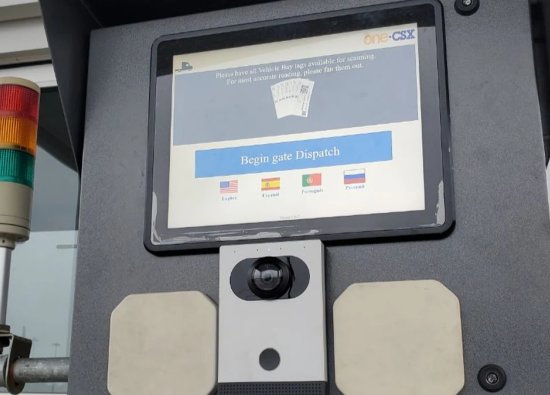
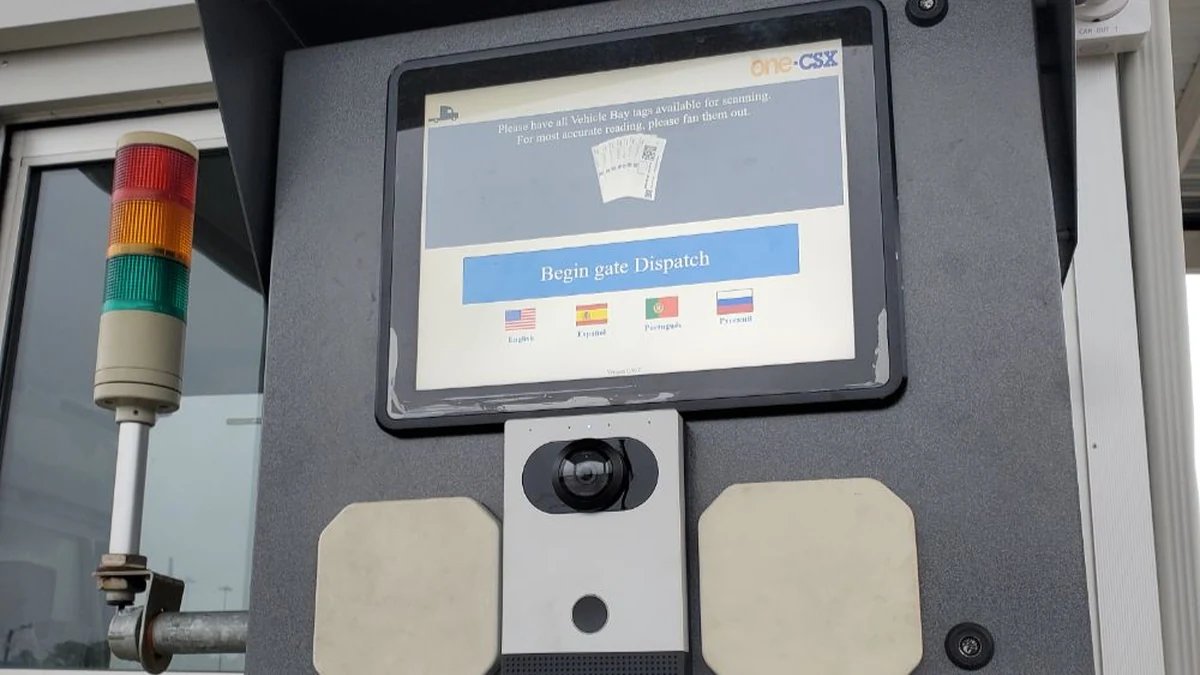
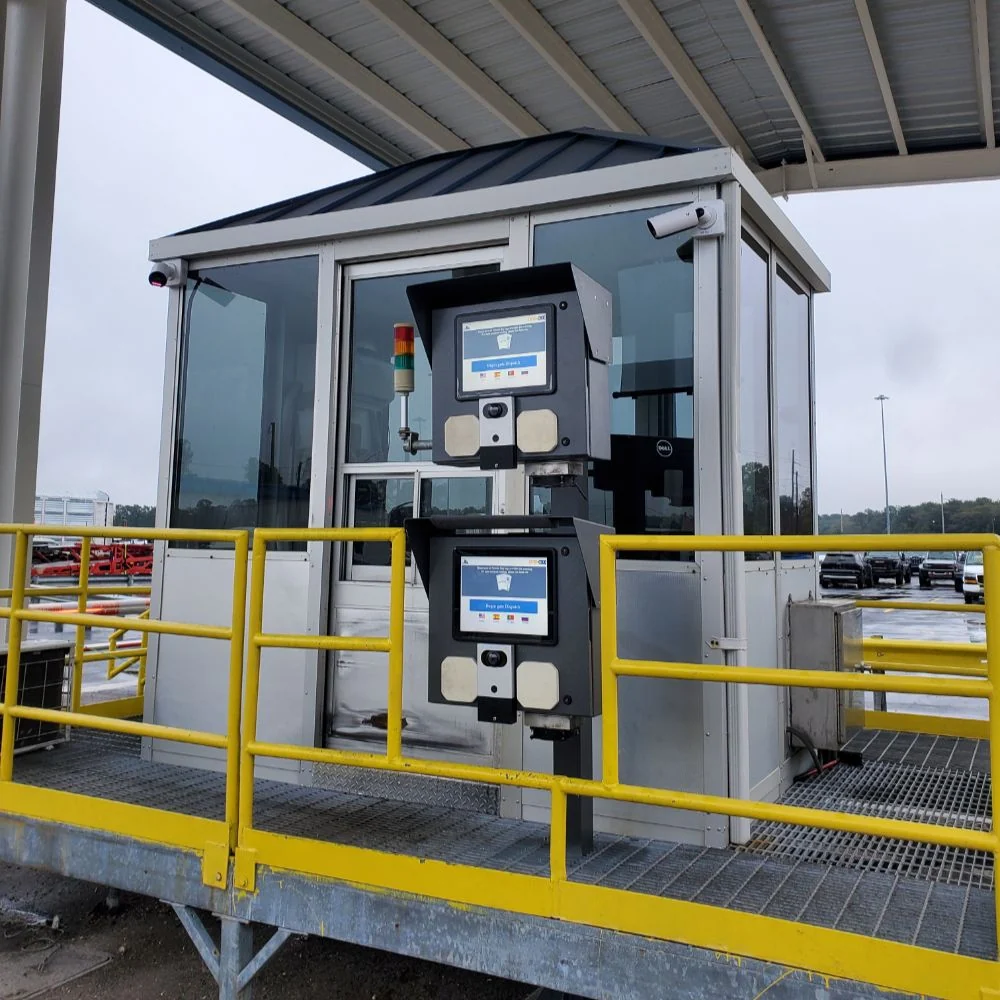
- Industrial entries: dispatch coordination, delivery verification, protective mounting, and noisy environments.
- Managed properties: staff roles, directory ownership, move-in and move-out updates, and after-hours coverage.
Select stations for the installation environment
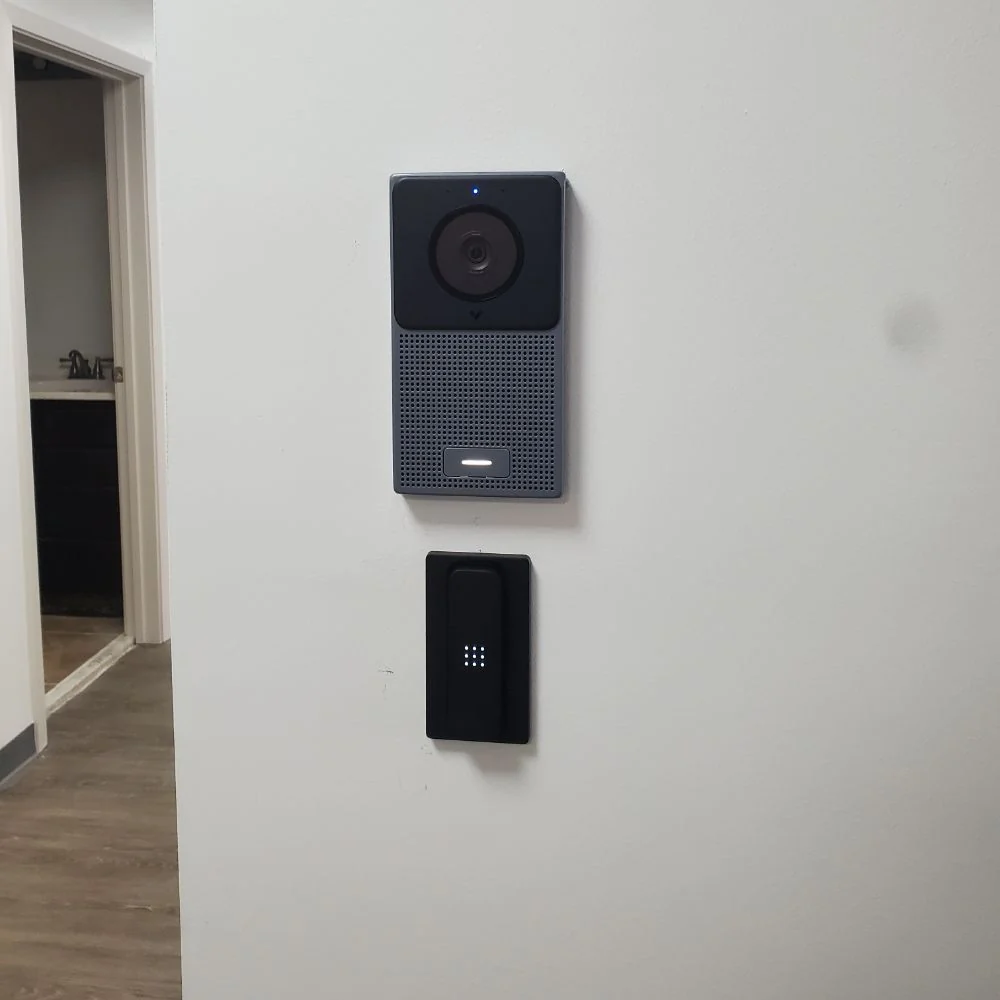
The entrance station must fit the mounting surface, viewing angle, lighting, weather exposure, user position, and expected treatment at that location. Indoor lobby devices, exposed gate pedestals, and industrial dispatch points may require different enclosures and mounting details.
Camera position should support useful identification without pointing into glare or losing the visitor outside the frame. Microphone and speaker performance should be checked in the real environment, especially near traffic, machinery, reflective walls, wind, or other persistent noise.
Plan connectivity, power, and pathways
A dependable intercom requires an appropriate path for data, power, control wiring, and any connection to the release equipment. Existing cable should be identified and tested before it is assumed suitable for a retrofit.
Route and protect cabling for the actual site conditions, label both ends, and document termination points. The design should also identify network ownership, switch capacity, power-source location, surge or backup-power requirements when included, and the approved method for remote support.
Coordinate door or gate release
Visitor communication and physical release are related functions, but they must be integrated deliberately. The intercom command, access-control logic, lock or gate operator, life-safety requirements, and safe operating sequence should be reviewed as one controlled workflow.
When the intercom works with access control, define which users may release each entrance, how activity is recorded, what happens during network or power loss, and how staff can restore normal operation. Existing electric locks, request-to-exit devices, gate controls, and legacy panels may need compatibility testing rather than simple replacement by assumption.
Configure call handling and administration
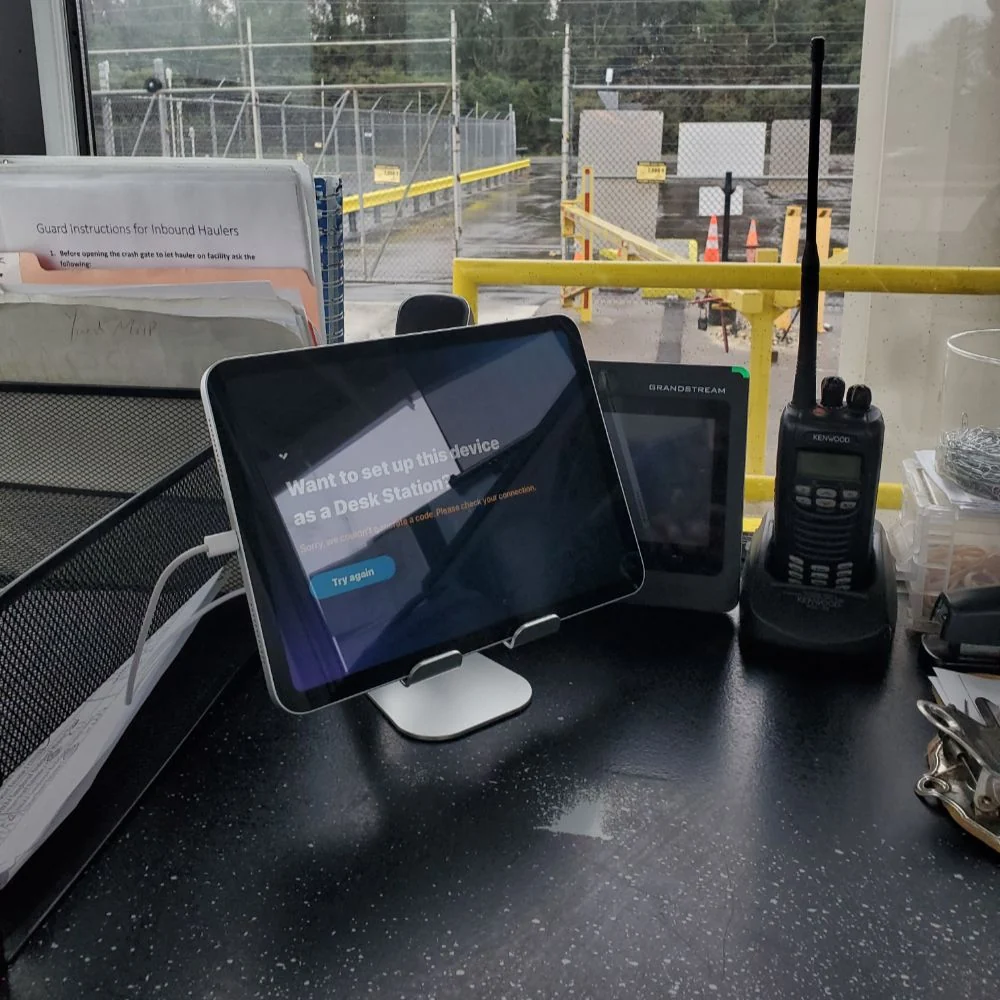
Call routing should reflect real staffing rather than a demo configuration. The system may use one or more indoor answering stations, a reception desk, a security post, approved mobile users, or a scheduled combination of endpoints.
Assign named administrators, document ownership of directories and user accounts, protect recovery information, and establish a process for personnel changes. Remote connectivity and cloud-managed features should be enabled only within the property’s approved security and support policy.
Commission and hand off the system
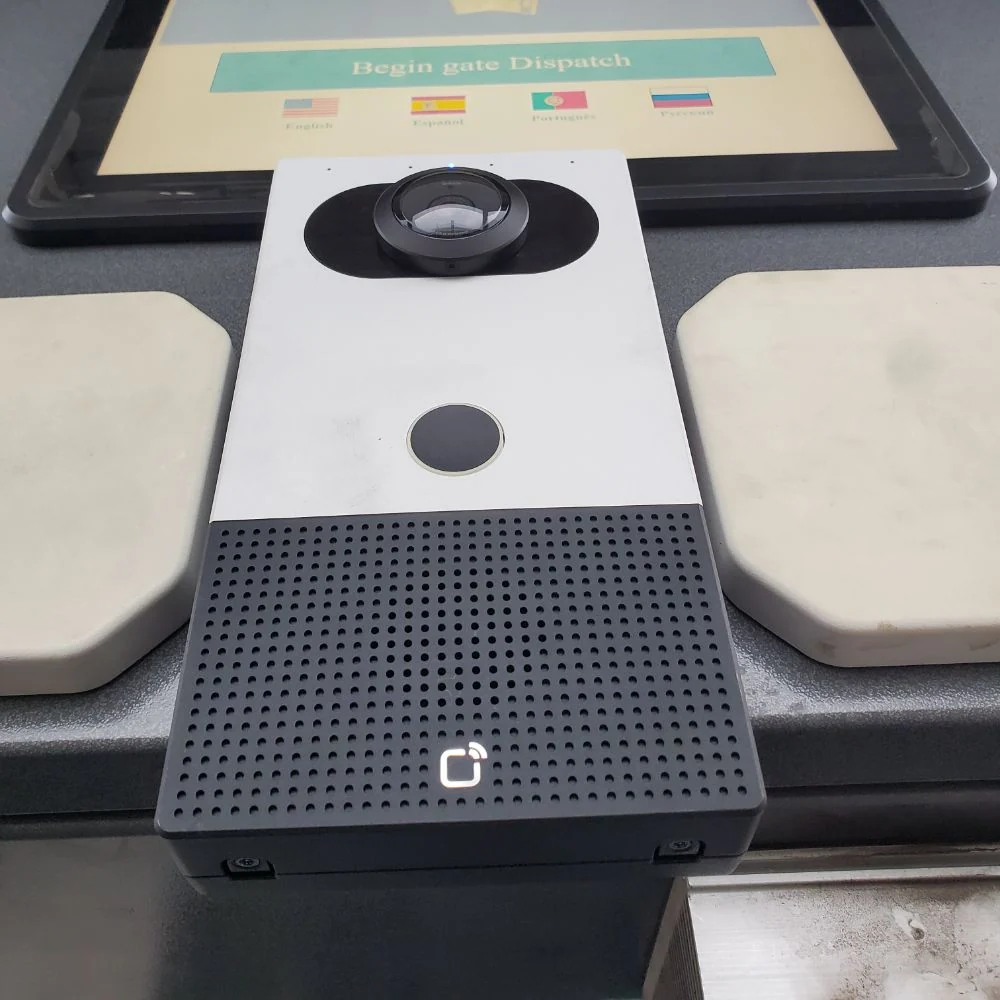
Commissioning verifies the complete sequence from call initiation through conversation, identification, release, event recording, and recovery. Testing should use the actual entrance and answering locations instead of confirming only that each device powers on.
The handoff can include station locations, cable and network records, administrator ownership, directory-management steps, call-routing rules, release permissions, backup information, and a service escalation path. Periodic service should review audio and video quality, mounting condition, directory accuracy, release operation, connected-system communication, and software support status.
Frequently asked questions
These answers address common planning questions for commercial video intercom installation and retrofit projects in Miami.
Can a video intercom release an existing commercial door or gate?
Possibly. The installer should identify the existing lock, gate operator, access-control panel, wiring, power, control inputs, and required operating sequence before confirming compatibility.
Can staff answer intercom calls from a phone?
Some systems support approved mobile or desktop answering, while others use dedicated indoor stations. The choice depends on the product, network policy, staffing model, call volume, and desired control over remote release.
Can existing intercom wiring be reused?
Existing wiring may be reusable after identification and testing, but conductor type, condition, route, distance, topology, and the requirements of the proposed equipment all matter. A retrofit survey should decide this before the project scope is finalized.
What is the difference between an intercom and access control?
An intercom supports communication and a visitor decision, while access control manages credential-based permissions and entry events. They can be integrated, but each function still requires its own design, administration, and commissioning.
What should be tested before the system is accepted?
Testing should cover calls from every entrance, audio and video quality, each answering destination, authorized release, event records when provided, after-hours routing, network or power recovery, and the documented service path.
Plan the entrance, answering workflow, and release integration together
Security Install US / System64 can survey, install, integrate, commission, repair, or retrofit a commercial intercom for a Miami-area property.

We design and install cameras, access control, intercoms, and gates for homes and businesses in Miami-Dade. This article comes from the same site surveys we run on driveways, restaurants, and offices — not from a generic kit list.
About the team